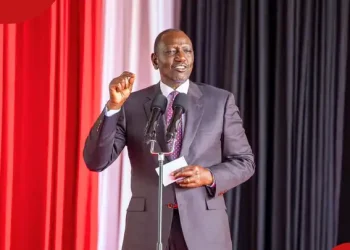
Gachagua’s media interview blocked
Former Deputy President Rigathi Gachagua has alleged that some leaders from Northern Kenya tried to block journalists from holding a roundtable interview with him at his residence in Karen.
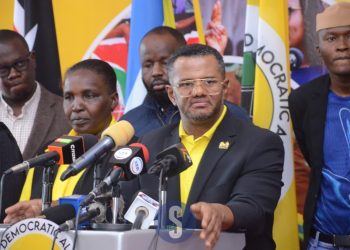
Gachagua mentioned that the interview was set up with radio stations from Mandera, Garissa, Marsabit, Wajir, and Isiolo, and it was later streamed online via North Eastern Digital Media.
Earlier that day, a photo made the rounds suggesting that the interview was meant to include North Eastern media outlets.
Just hours before the interview, a statement supposedly from media practitioners in Northern Kenya claimed that the group had come together to cancel the planned interview after “careful consideration and internal deliberations.”
Despite this, the interview went ahead with one journalist in attendance.
In their statement, the journalists expressed that continuing with the interview would not reflect their commitment to responsible journalism, national unity, and constructive public discourse.
They pointed out that recent public statements and rhetoric have become more and more divisive, often highlighting ethnic and regional differences at a time when Kenya really needs voices that bring people together instead of driving them apart.
The statement also expressed concern that the interview could devolve into character attacks or the spread of unfounded claims against individuals or institutions without proper evidence or a balanced, fact-based discussion.
“As a media outlet dedicated to maintaining ethical standards, encouraging informed debate, and promoting peace and unity in our society, we simply cannot, in good conscience, provide a platform that might amplify such damaging narratives,” the statement said.
The group emphasized that this decision wasn’t made lightly, acknowledging the importance of allowing public figures to speak directly to the nation.
However, they noted that there were no guarantees that the conversation would stay respectful, evidence-based, and focused on meaningful issues.
They expressed regret for any inconvenience this may have caused and mentioned that they remain open to future discussions if circumstances change and there’s a clear commitment to constructive and unifying dialogue.
During the interview, Gachagua addressed accusations that he fosters tribal narratives while neglecting Northern Kenya, calling such claims propaganda designed to stir up conflict between the people of Mt. Kenya and those from Northern Kenya.
He emphasized the deep-rooted connection between the two communities, pointing out that they have shared interests, especially in business.
When faced with criticism from leaders in North Eastern Kenya about development issues, Gachagua mentioned that the locals hadn’t expressed any concerns regarding his leadership.
He noted that the primary issue for residents is the need for accountability from their leaders. Gachagua highlighted that since 2013, the five counties in Northern Kenya have received development funding, yet the visible progress on the ground has been lacking.
He remarked that local leadership hasn’t made the best use of the resources available. Regarding infrastructure development, Gachagua stated that there are enough resources to bring Northern Kenya’s counties up to par with other regions in the country.
He also pointed out that students are vying for scarce educational resources.
In closing, he underscored the necessity of holding regional leaders accountable, stressing that residents have endured prolonged hardships.
Gachagua’s media interview blocked