COMESA Pushes for Unified Agricultural Trade Standards to Boost Regional and Global Market Access
The Common Market for Eastern and Southern Africa (COMESA) is ramping up its efforts to standardize agricultural trade practices among its member states. This initiative aims to remove non-tariff barriers (NTBs) and promote smoother cross-border trade in food and horticultural products.
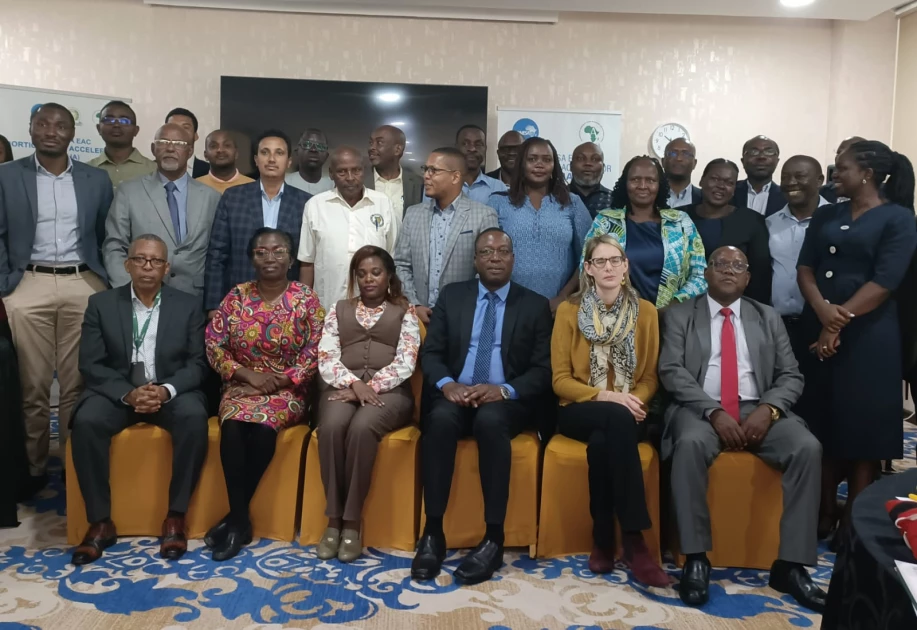
During the opening of the COMESA-EAC Horticulture Accelerator (CEHA) Regional Workshop in Nairobi, Regina Ombam, the Principal Secretary of the State Department for Trade, emphasized the critical need to align trade protocols to enhance productivity and foster economic integration.
“The identification and harmonization of non-tariff barriers affecting horticultural value chains is of critical importance to regional trade, agricultural productivity, and prosperity,” she said,
Ombam pointed out that the fragmented markets and inconsistent regulations are still holding back the flow of goods, which in turn limits opportunities for farmers and agribusinesses.
At a recent regional workshop, stakeholders from Kenya, Uganda, Rwanda, Tanzania, and Ethiopia came together to evaluate over 200 non-tariff barriers (NTBs) that are impacting trade in essential products like avocados, onions, and Irish potatoes.
Dr. John Mukuka, the CEO of the Alliance for Commodity Trade in Eastern and Southern Africa (ACTESA), emphasized that having unified sanitary and phytosanitary (SPS) standards, input protocols, and pest control regulations is crucial for boosting agricultural trade throughout the region.
“Standardization will enable farmers and exporters to access regional and international markets more efficiently, reduce post-harvest losses, and improve the profitability of horticultural value chains,” said Dr. Mukuka.
Dr. Mukuka pointed out that the aim is to boost intra-regional agricultural trade from the current 10–15% to over 50%.
Participants emphasized the importance of eco-friendly pest control methods and faster SPS procedures that are consistent across borders. They also urged for increased investment in digital NTB reporting tools and cold chain infrastructure to enhance export competitiveness.
TradeMark Africa’s Director of Trade and Customs, Benjamin Tsengede, mentioned that even though over 90% of reported NTBs get resolved, trade volumes have still not seen any growth.
“We must address informal and unreported barriers while building productive capacity,” he said.
The German Development Cooperation, which backs the horticulture strategy of the East African Community, highlighted just how crucial it is to put these plans into action.
“We must go beyond strategies and start living the customs union and common market,” said Katarina Schlumpf.
The stakeholders emphasized the need for faster policy coordination, stronger collaboration between the public and private sectors, and a well-defined plan to eliminate non-tariff barriers. This approach aims to enhance regional food trade and establish Eastern and Southern Africa as a competitive force in the global agricultural market.
COMESA Pushes for Unified Agricultural Trade Standards to Boost Regional and Global Market Access