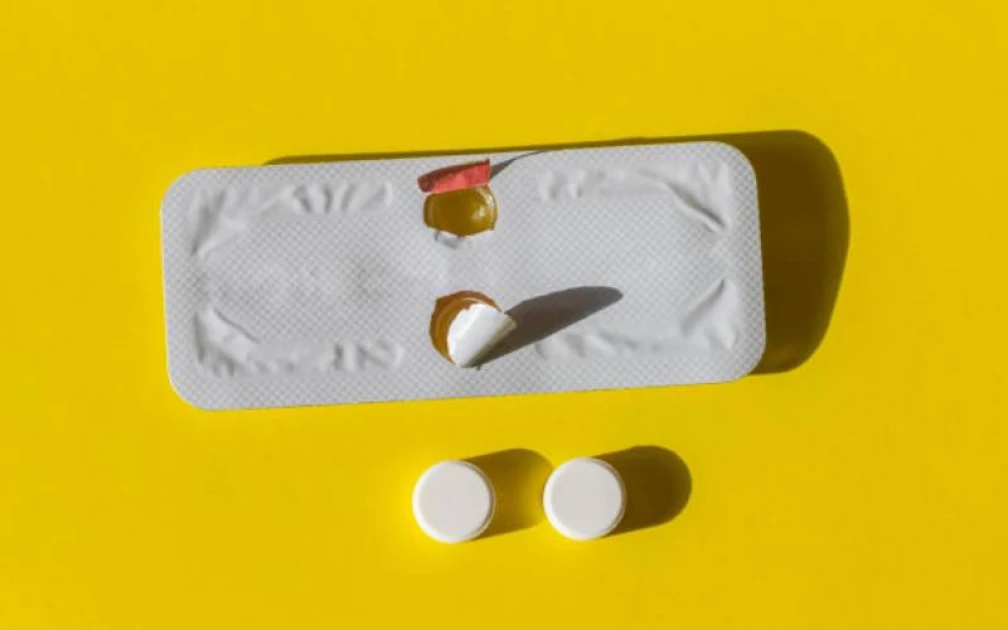
P2 Pill: How Emergency Contraception Is Reshaping Women’s Choices in Kenya
The small, unassuming P2 pill rests quietly on the counter, yet it carries a powerful significance in a world where unplanned pregnancies have long loomed large. It’s not just emergency contraception; it’s a glimmer of hope, a subtle but impactful revolution.
For years, women felt bound by the anxiety of a single mistake, a single night that could change everything. Their choices were few, options limited, and judgment was harsh. Then P2 arrived, bringing not just prevention but something much deeper—empowerment.
At first, its name was shared in hushed tones, a secret lifeline passed among friends. But as time went on, the conversation evolved. P2 stepped into the light, embraced by women from all walks of life: students, professionals, single mothers, and married women, each with their own unique stories, reasons, and struggles.
“Bearing a child in this economy, when you’re financially struggling, can be devastating,” says Mercy Kawera, a receptionist, her voice heavy with the weight of reality. Georgian Kathomi, a university student, echoes this sentiment: “A pregnancy would affect my education, forcing me to drop out.” Salome Muturi, a businesswoman, uses P2 as a strategic family planning method, taking charge of her reproductive choices.
For some people, P2 serves as a safety net, a final line of defense. For others, it’s a powerful tool for empowerment, a way to shape their own futures. For many, it’s a lifeline, a means of escaping a tough situation.WOMEN
However, the increasing use of P2 brings to light a more troubling reality. Pharmaceutical vendors are reporting concerning trends, especially among young women aged 18 to 35. A clear pattern is emerging: sales tend to surge from Sunday to Monday, quietly reflecting the choices made over the weekend—choices that many are now looking to reverse.
“The P2 pill is our top seller,” reveals Duncan Ogola, a pharmacist in Thika town, his voice laced with concern, “raising significant health worries.” Some use it once, others repeatedly, a routine born of necessity or desperation.
The emergence of P2 has certainly sparked its share of critics. There are moral, religious, and health concerns being raised. Some people believe it encourages reckless behavior, while others see it as a challenge to traditional values. Yet, the women who pursue it stand firm in their decisions. They know what’s at stake and carry the burden of their choices with determination.
“Culture evolves, influenced by technology,” explains Mary Mumbi, a sociologist. “Contraceptives enable planned families, reducing poverty and improving health. While some cultures embrace contraception as a tool for women’s empowerment, others, driven by religious or traditional beliefs, stigmatize its use.”
Chrispin Mbuba, a gynaecologist, shares insights on the pill’s effects: “In the short term, you might experience menstrual irregularities, nausea, vomiting, mood swings, and abdominal cramps. If used for a long time, it can lead to hormonal imbalances.”
P2 goes beyond just its physical presence; it stands as a powerful symbol of defiance and change, representing a time when women refuse to simply accept their fate. They take charge, make their own choices, and carve out their own paths. In that moment of decision, in that surge of empowerment, women are rewriting the rules of a world that has long tried to define them.women’s health.” concludes Dr. Wafula.
P2 Pill: How Emergency Contraception Is Reshaping Women’s Choices in Kenya