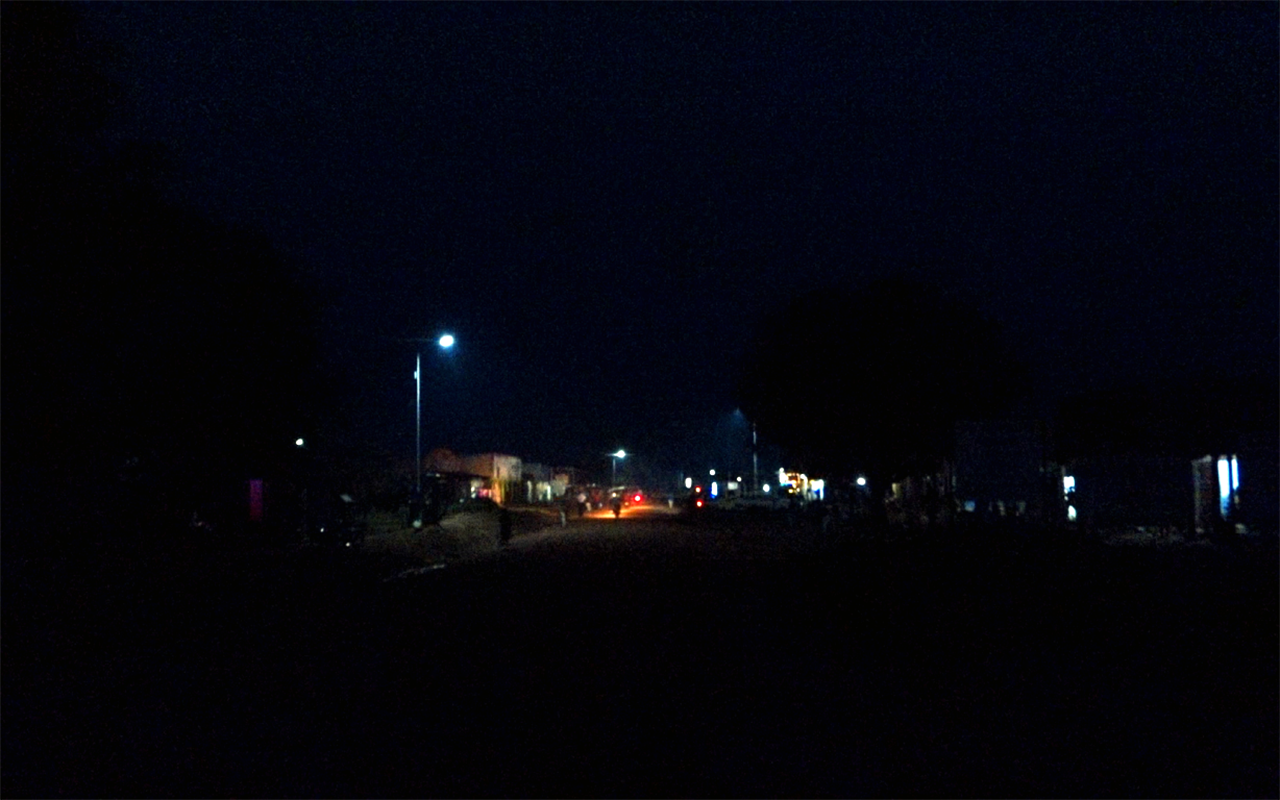
Uganda is Dark and Bloody
The Uganda Communication Commission has announced a temporary internet shutdown starting today, January 13, 2026, and it will remain in effect until further notice.
This decision comes just a day before the Uganda General Elections, which are scheduled for Thursday, January 15, 2026.
Interestingly, this news follows a recent denial from Ugandan authorities regarding any plans to restrict internet access during the upcoming elections.
According to the UCC, this directive is based on a recommendation from the Inter-Agency Security Committee, which highlighted the need to curb the rapid spread of online misinformation, disinformation, and other risks associated with the elections.
The regulator emphasized that this measure aims to prevent content that could incite violence or undermine public confidence during the electoral process.
“The suspension is effective 13th January 2026, at 1800hrs and will remain in force until a restoration notice is issued by UCC. During this period, all non-essential public internet traffic must be blocked,” stated UCC Executive Director Thembo Nyombi.
The notice clarified that public internet traffic encompasses social media platforms, personal email services, web browsing, video streaming, and messaging apps.
The suspension will affect Mobile Broadband (Cellular), Fibre Optic, Leased Lines, Fixed Wireless Access, Microwave Radio Links, and Satellite Internet Services.
To maintain essential functions, the UCC has established a list of exclusions.
These exclusions will permit limited access to vital services, including healthcare systems at national referral hospitals, financial services, and important government administrative services like immigration, the electoral commission, voter verification, and vote tabulation networks.
Access to these systems is restricted to authorized personnel and must be carried out through secure methods such as dedicated IP ranges, VPNs, or private circuits.
The UCC cautioned that any misuse of the exclusion list could lead to immediate access being blocked.
President Museveni, who is 81, has been in power since 1986.
His main opponent in the upcoming elections is 43-year-old Robert Kyagulanyi, better known as Bobi Wine.
The UCC’s directive follows Bobi Wine’s statements warning of possible protests if the elections are seen as unfair.
“If General Museveni rigs the election, we shall call for protests,” he told AFP from his home in Kampala, adding, “We’ve told the people not to wait for our instruction.”
Observers have pointed out that internet restrictions during elections aren’t new; similar measures have popped up in other countries in the region.
Just this past Friday, Starlink, the satellite internet provider, limited its services in Uganda after receiving an order from the communications regulator, which has only added to the worries.
At the same time, the government has put a stop to live broadcasts of riots, “unlawful processions,” and other violent events leading up to the election, claiming that these could “escalate tensions and spread panic.”
On the other hand, the head of the Uganda Communications Commission (UCC) dismissed the idea of a potential internet blackout as “mere rumours,” emphasizing that the commission’s job is to ensure that connectivity remains uninterrupted across the country.
Uganda is Dark and Bloody