Elephant kills 35-year old ECDE teacher
Tragedy struck in Lairupa Village, Elangata Wuas Location, Kajiado West, when an elephant fatally trampled a 35-year-old teacher who specialized in Early Childhood Development and Education (ECDE).
The Kenya Wildlife Service (KWS) has confirmed this heartbreaking incident, sharing their profound sorrow and regret over the loss of life.
According to the wildlife agency, the woman was attacked by the elephant right outside her home and sadly succumbed to her injuries at the scene.
In their statement, KWS mentioned that their officers, in collaboration with the National Police Service and local authorities, responded promptly once the incident was reported.
The team has confirmed the cause of death and officially recorded the incident at the Elangata Wuas Police Station. The body was subsequently moved to the mortuary at Kajiado Referral Hospital.
“We extend our heartfelt condolences to her family, colleagues, learners, and the entire Lodokilani community during this difficult time,” KWS said.
After the incident, KWS kicked off extensive aerial and ground efforts to track down the elephant that was behind the attack.
The animal was later discovered injured and showing aggressive behavior that posed a serious threat to human safety.
KWS stated that the elephant was legally taken down in line with the Wildlife Conservation and Management Act of 2013.
The agency also highlighted that they have implemented additional measures to prevent any further loss of life, which includes increased patrols in the area and working closely with local leaders.
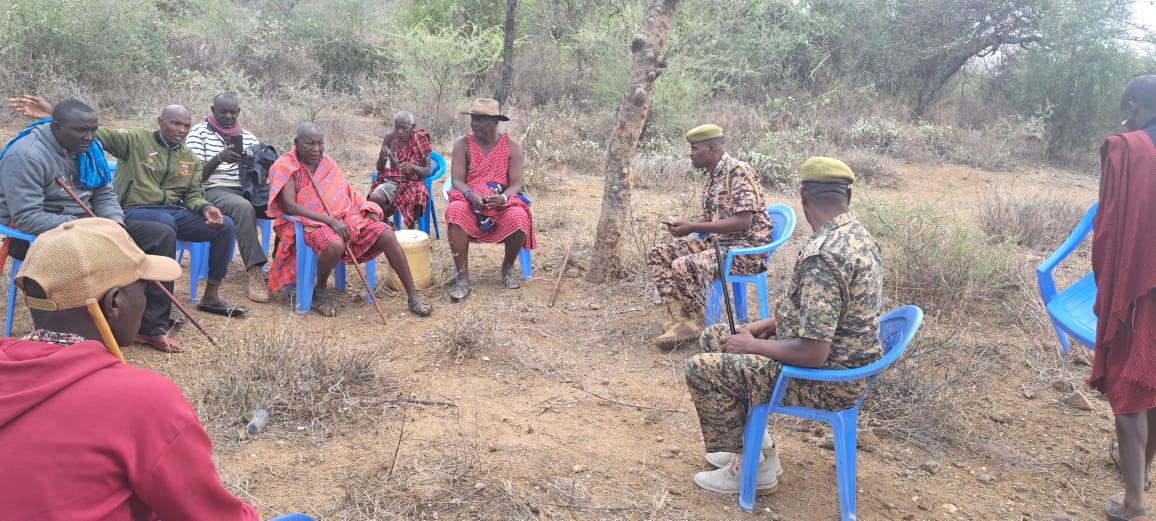
KWS officers have been in touch with local MP George Sunkuya, discussing the situation with the grieving family and explaining the compensation process that’s available under the law.
“We remain deeply concerned by this tragedy and reaffirm our commitment to strengthening human–wildlife conflict mitigation measures while protecting lives and promoting peaceful coexistence,” the statement added.
Human-wildlife conflict remains a significant issue in Kenya, especially for communities that are situated close to national parks, wildlife corridors, and forested regions.
The rapid growth of our population, along with the spread of settlements, farming, and infrastructure development, has increasingly pushed into wildlife habitats, leading to animals coming into closer contact with humans.
Elephants are among the top culprits when it comes to deadly human-wildlife encounters, sharing this unfortunate title with buffaloes, hippos, and crocodiles.
Other frequent conflicts arise from elephants, baboons, and monkeys damaging crops, as well as lions, leopards, hyenas, and cheetahs preying on livestock.
In dry and semi-dry areas, extended droughts often lead to increased conflicts as people, livestock, and wildlife all vie for the limited water and grazing land available.
To help those communities that have been hit hard, the government runs a compensation program through KWS.
Individuals who have suffered from wildlife-related deaths, injuries, or damage to their property can submit claims under the Wildlife Conservation and Management Act. However, this program has come under fire for its slow claim processing, insufficient funding, and lengthy verification steps.
Elephant kills 35-year old ECDE teacher