Luo Elders Perform ‘Tero Buru’ Ritual
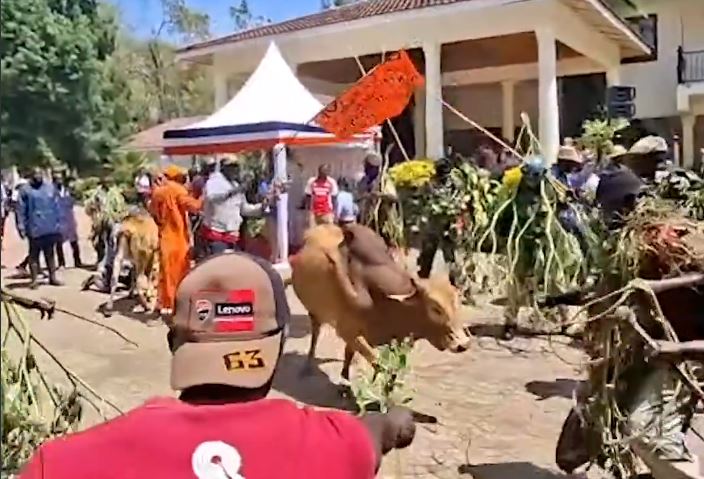
Luo elders recently held the traditional ‘Tero Buru’ ceremony at Raila Odinga’s Opoda home in Siaya County, a heartfelt tribute to the late former Prime Minister that celebrated the community’s rich cultural heritage.
During this significant ritual, the elders led a procession around the homestead, guiding a bull as a symbol of the departed leader’s final journey and the purification of the home.
The atmosphere was filled with traditional songs, chants, and the rhythmic beat of drums, all of which underscored the community’s respect, unity, and recognition of Odinga’s remarkable legacy as a respected statesman.
The event attracted hundreds of mourners from the surrounding areas, all coming together to partake in this meaningful ritual that honored Raila Odinga’s lifelong dedication to Kenya’s democracy and leadership.
In Luo tradition, Tero Buru serves as both a cleansing and farewell rite, ensuring that the spirit of the deceased finds peace while also reinforcing the bonds among those still living.
The ceremony at Opoda was not just a ritual; it carried profound spiritual and cultural significance, reflecting the deep respect the Luo people have for their departed leaders.
In Luo culture, the ceremony known as “Tero Buru” holds significant importance, especially after the passing of a respected individual, elder, or leader.
While “Tero Buru” literally means “driving of the bull,” its significance runs much deeper. It represents honor, respect, and a heartfelt farewell to the one who has passed away.
This ceremony serves as both a time of mourning and a cleansing ritual, celebrating the life of the departed while also marking their final journey from the world of the living.
Traditionally, this ceremony takes place after the burial, sometimes on the same day or a few days later, depending on the family’s customs.
When a leader or respected elder passes away, the ceremony takes on a deeper, community-wide significance. It transforms into a gathering of clans, neighbors, and well-wishers who come together to honor the deceased and strengthen the bonds among the living.
The ceremony kicks off with men leading a procession through villages or homesteads, often driving cattle, particularly a bull, around the area.
The bull symbolizes strength, leadership, and the spirit of the departed. The act of driving it, known as “tero,” represents sending off the spirit and cleansing the homestead of the presence of death.
Mourners typically sing traditional dirges (sigalagala) and chants that celebrate the deceased’s accomplishments. People beat drums, blow horns, and sometimes fire traditional weapons into the air as a mark of respect.
The songs and dances aren’t just about sorrow; they also celebrate the person’s legacy, bravery, and contributions to society.
In the case of a fallen leader, like a political figure or community elder, Tero Buru serves as a public expression of grief and respect. It brings together people from various regions and clans, reaffirming their shared identity and continuity of leadership.
This ceremony also aids the community in emotionally and spiritually transitioning after the loss. It’s believed that Tero Buru helps prevent misfortune or unrest caused by an unsettled spirit, ensuring that the deceased finds peace and that the living are safeguarded.
Today, Tero Buru has evolved but still holds onto its cultural essence. It may be performed alongside modern funeral rites, blending traditional Luo customs with religious and state ceremonies.
For national leaders, the ceremony often sees attendance from political figures, cultural groups, and citizens who come together to honor the departed with song, dance, and remembrance.
Luo Elders Perform ‘Tero Buru’ Ritual