What killed Raila Odinga
It is with deep sorrow that the nation mourns the passing of former Prime Minister Raila Amolo Odinga, who has died at the age of 80. The longtime opposition leader and champion of democracy breathed his last on Wednesday while receiving treatment at a hospital in India, where he had been admitted for a medical procedure.
Raila’s death marks the end of an era in Kenya’s political history. For decades, he stood as one of the most influential and charismatic figures in the country, admired by supporters for his resilience, courage, and unrelenting fight for justice and reform. His passing has left the country in shock and mourning, as tributes pour in from leaders across the political divide and from citizens at home and abroad.
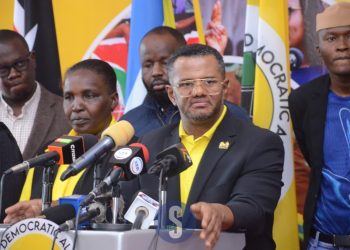
News of his demise comes only days after widespread speculation about his health. For weeks, social media had been awash with rumors suggesting that the ODM leader was in critical condition. However, members of his family, led by his elder brother Dr. Oburu Odinga, had come out strongly to assure the public that Raila was recovering and in stable condition.
Speaking during a press briefing last week, Oburu had dismissed reports of Raila’s alleged deterioration as exaggerated and misleading. “I want to tell you that Raila is up and about. Just like any other human being, he was indisposed a little and is now recuperating and resting,” he said, expressing optimism about his brother’s recovery. He emphasized that the family wished for privacy as Raila continued his treatment in India.
Raila Odinga had reportedly been struggling with a series of minor health challenges in recent months, which occasionally forced him to seek treatment abroad. Despite these setbacks, he continued to engage in political consultations and remained a central figure in Kenya’s national discourse. His passing leaves behind a remarkable legacy of leadership, sacrifice, and hope for generations to come.
What killed Raila Odinga